Psychostimulants
Psychostimulants increase mood, the ability to perceive external stimuli, and psychomotor reactivity. They stimulate intellectual activity, speeding up the processes of thinking, which is often accompanied by the elimination of fatigue, drowsiness, and the suppression of hunger.
Classification:
According to the chemical structure of I. Phenylalkylamines: phenamine (amphetamine). II. Sydnonymine derivatives: sydnocarb (mesocarb), sydnophen (pheprosidsidnimine). Sh. Piperidine derivatives (not applicable):pyridrol IV. Xanthines: caffeine, caffeine-sodium benzoate, etymisole. V. Benzimidazole derivatives: bemitil.
The mechanism of action is associated with an adrenomimetic effect, as a result of which excitatory processes in various parts of the brain are intensified (the reticular formation of the brainstem, hypothalamus, hippocampus, cerebral cortex).
BY DRUGS:
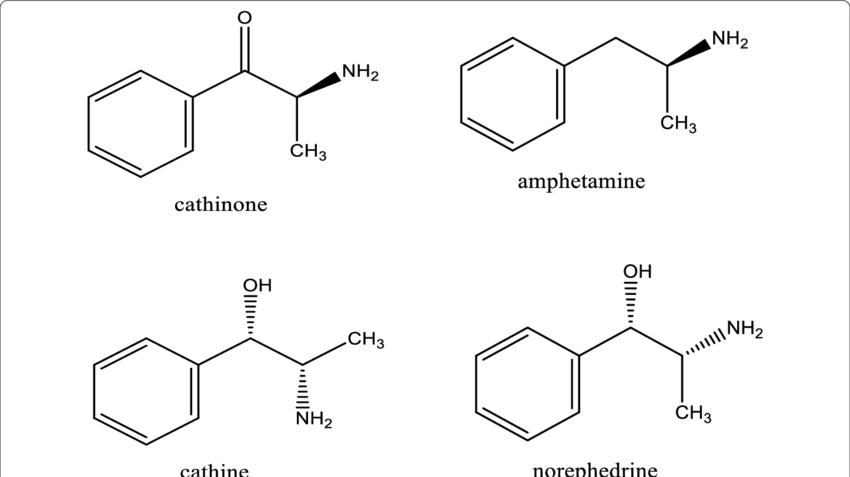
Phenamine causes the release of norepinephrine and dopamine from the granules of presynaptic nerve endings and thus stimulates the receptors of the central nervous system. It also has a slight inhibitory effect on the activity of monoamine oxidase and inhibits the reverse neuronal uptake of dopamine. It also has peripheral adrenergic activity (it stimulates alpha- and beta-adrenergic receptors), causes constriction of peripheral vessels, increased heart contractions, and increased blood pressure.
Indications – narcolepsy and other conditions accompanied by drowsiness, lethargy, fatigue.
Side effects include insomnia, tremor, and drug addiction. In case of overdose, agitation, anxiety, insomnia, tachycardia, and sometimes cardiac arrhythmia are noted.
Contraindications – atherosclerosis, hypertension, insomnia, senile age.
Mesocarb:
The mechanism of action displaces norepinephrine from vesicles into the synaptic cleft, causing activation of noradrenergic effects in the central nervous system. The effect develops gradually, the drug has a mild psychostimulating effect without the initial stage of euphoria and subsequent depletion of the body’s energy resources.
Indications – general weakness, asthenia, narcolepsy, some subdepressive states.
Side effects: anxiety; possible increase in blood pressure. Sleep disorders, irritability, exacerbation of productive symptoms in mentally ill people (therefore, patients with psychotic disorders are prescribed sidnocarb only in the hospital), decreased appetite.
Caffeine: combines psychostimulating and analeptic properties. It stimulates the respiratory and vasomotor centers, has a direct cardiotonic effect, lowers the tone of vascular smooth muscles (except for the cerebral muscles, which caffeine narrows) and hollow internal organs, stimulates the secretion of gastric glands, increases diuresis, enhances glycolysis and lipolysis. It is used for fatigue, hypotension and migraines. Side effects: Anxiety, agitation, insomnia, tachycardia, arrhythmias, increased blood pressure, nausea, vomiting.
Bemitil has a psychostimulating effect, has antihypoxic activity, increases the body’s resistance to hypoxia and increases performance during physical exertion. It also has an immunostimulating effect. It is used for asthenic conditions, neuroses, after injuries, and for certain infectious diseases. Side effect: Discomfort in the liver and stomach, nausea, vomiting, allergic reactions, headache 38) Psychostimulants of the xanthine group: origin, mechanisms and features of action,
application, side effects.
Psychostimulants increase mood, the ability to perceive external stimuli, and psychomotor activity. They reduce the feeling of fatigue, increase physical and mental performance (especially when tired), and temporarily reduce the need for sleep.
Caffeine – stimulates mental activity (3-4 hours), increases mental and physical performance, motor activity, shortens reaction time. After taking it, cheerfulness appears, fatigue and drowsiness are temporarily eliminated or reduced. It is an alkaloid found in tea leaves, coffee seeds, and cola nuts, and can also be produced by chemical synthesis.
The mechanism of stimulating action is associated with the inhibition of phosphodiesterase, which leads to the intracellular accumulation of CAMP, which in turn stimulates metabolic processes in various organs and tissues, including the central nervous system.
Indications: stimulation of physical and mental activity during fatigue; hypotension; poisoning with drugs and other drugs that depress the central nervous system; enuresis in children.
Analeptic activity is associated with the effect on the centers of the medulla oblongata. It has a direct stimulating effect on the respiratory and vasomotor centers. There is a quickening and deepening of breathing, it excites the centers of the vagus nerves. By facilitating the interneuronal transmission of arousal, it enhances spinal reflexes. On the cardiovascular system: direct stimulating effect on the myocardium, causes tachycardia in high doses. By stimulating the vasomotor center, it increases vascular tone, while directly affecting vascular smooth muscles, it reduces their tone. It dilates the coronary vessels, tones the cerebral ones, spasms the bronchial bile ducts, stimulates skeletal muscles, and increases the secretion of gastric glands. Increases glycogenolysis, causes hyperglycemia, increases lipolysis. It is absorbed from the gastrointestinal tract, biotransformed, and excreted unchanged by the kidneys.
Side effects: nausea, vomiting, restlessness, agitation, insomnia, tachycardia, arrhythmias.
Contraindications: severe hypertension, atherosclerosis, increased excitability, sleep disorders, glaucoma. Tolerance develops towards the stimulating effect of caffeine. Along with it, mental dependence (theism) develops.
Product form: caffeine sodium benzoate powder, tablets of 0.1 and 0.2 g; 10-20% solution in ampoules of 1 and 2 m 39) Antidepressants: classification; theories of the origin of depression. Mechanisms of action, pharmacological effects, indications for use, side effects, contraindications.
Antidepressants are psychotropic drugs used primarily to treat depression. In a depressed patient, they improve mood, reduce or relieve melancholy, lethargy, apathy, anxiety and emotional tension, increase mental activity, normalize the phase structure and duration of sleep, and appetite. This is called a timoleptic effect.
CLASSIFICATION:
Agents that block the neuronal uptake of monoamines
Indiscriminate effects that block the neuronal uptake of serotonin and norepinephrine (imipramine, amitriptyline, clomipramine)
Selective action
Blocking neuronal uptake of serotonin (fluoxetine, sertraline, paroxetine)
Blocking the neuronal uptake of norepinephrine (meprotiline, desipramine)
2. Monoamine oxidase (MAO) inhibitors
Indiscriminate effects (MAO-A and MAO-B inhibitors) Nialamide Transamine
Selective action (MAO-A inhibitors) Moclobemide, pyrazidol
Mechanism of action. The enzyme monoamine oxidase is an enzyme that causes oxidative deamination and inactivation of monoamines, dopamine and serotonin, i.e. the main neurotransmitters that contribute to the transmission of nervous excitement to the central nervous system. In depressive states, there is a change in the activity of noradrenergic and serotonergic synaptic transmission. The main effect of antidepressants is that they block the breakdown of monoamines (serotonin, norepinephrine, dopamine, phenylethylamine, etc.) under the action of monoamine oxidases (MAO) or block the reverse neuronal uptake of monoamines. One of the leading mechanisms of depression is the lack of monoamines in the synaptic cleft – serotonin and dopamine. With the help of antidepressants, the concentration of these mediators increases. Neuronal capture inhibitors block the “reuptake” of neurotransmitter monoamines by presynaptic nerve endings, resulting in their accumulation in the synaptic cleft and activation of synaptic transmission.
An important role in the mechanism of specific action of antidepressants belongs to the changes in receptor sensitivity that develop during their administration, which are associated with the late development of the wedge effect – a latency period of 2-3 days
Agents that block the neuronal uptake of monoamines.
a) indiscriminate d-I, blocking the neuronal uptake of serotonin and norepinephrine:
Imizine is a pronounced antidepressant drug with a mild sedative effect. It inhibits the neuronal uptake of norepinephrine and serotonin, large concentrations of mediators accumulate in the receptor area and their effects increase. It blocks a2-adrenergic receptors, which increases the release of norepinephrine. The drug is used for depressive states, with asthenopressive syndrome, accompanied by motor and autonomic retardation, with exogenous depression, involutional and menopausal depression. It is well absorbed from the gastrointestinal tract, is metabolized in the liver (the metabolite is desipramine), and is excreted unchanged by the kidneys and partially by the intestines. The effect occurs in 2-3 weeks. Side effects: impaired accommodation, dry mouth, difficulty urinating, orthostatic hypotension, headache, jaundice, sedation or hallucinations, agitation. In therapeutic doses, it can lower blood pressure.
Amitriptyline is a pronounced sedative, the effect is 10-14 hours. Therefore, it is used in patients with depression with elements of arousal (anxiety depression, depressive phase of manic – depressive psychosis). Side effects are associated with central and peripheral holinoblocking effects, hematopoiesis disorders, skin allergic reactions, and extrapyramidal disorders.
b) the electoral d-I:
Fluoxetine has an effect for 1 to 4 weeks, there is no sedative effect, body weight does not increase, low–toxic. It is well absorbed, metabolized in the liver (the metabolite is norfluoxetine), and excreted by the kidneys. Side effects: nausea, nervousness, headache, skin rashes, insomnia.
Monoamine Oxidase inhibitors (MAO)
a) non-selective d-I (MAO-A and MAO-B inhibitors) – nialamide, transamine
b) selective d-I (MAO-A inhibitors) – moclobemide.
Indiscriminate MAO inhibitors inhibit the process of oxidative deamination of norepinephrine and serotonin, which leads to their accumulation in significant amounts in brain tissue. The effect develops b/w 7-14 days. Along with their antidepressant effect, MAO inhibitors are characterized by pronounced psychostimulating properties, causing euphoria, agitation, and insomnia. The psychostimulating effect develops earlier than the antidepressant effect, which can be dangerous in the sense of suicide. MAO inhibitors have antihypertensive activity. In angina pectoris, they reduce pain (obviously by blocking the central links of reflexes from the heart). Against the background of d-I inhibitors, the pressor effect of sympathomimetics (phenamine, ephedrine) increases, these substances contribute to the release of norepinephrine, and a hypertensive crisis occurs. MAO inhibitors are well absorbed from the digestive tract. They are secreted mainly by the kidneys. MAO inhibitors have a relatively high toxicity. It is used for depressive states accompanied by lethargy, lethargy, lack of initiative.
Nilamide should not be prescribed overnight. While taking nialamide, products (cheese, smoked meats, red wine) containing tyramine and other pressor agents should not be taken, as a hypertensive crisis may occur.
Transamine is a strong irreversible MAO inhibitor, the therapeutic effect occurs in hours 2-7d, in nialamide – 12-14d.
Moclobemide has a selective effect on MAO-A, which is shorter-lived than irreversible inhibitors, and reduces the likelihood of developing a hypertensive crisis.
Indications:
Depressive states of various origins
Panic disorders
Obsessive-compulsive disorder
Social phobia
Anorexia nervosa and bulimia
Narcolepsy
Treatment of alcoholism
Insomnia
N/indications:
Psychomotor agitation
Seizures
Confusion of consciousness
Pathology of the liver and kidneys
Circulatory disorders
Persistent hypotension
Individual intolerance
Drug selection tactics:
The effect develops after 2-3 weeks
They are prescribed 1-2 times a day.
With sedative effect – at night (amitriptyline), with stimulating effect – in the morning and evening (fluoxetine, imipramine).
Effective dose selection begins with 25-50 mg per day, and increases to 100 mg after 3-4 days.
Cancel gradually, slowly reducing the dose.
40) Nootropic drugs: definition of the pharmacotherapeutic class, classification, mechanisms and features of action, application, side effects. MEDICINES FOR THE TREATMENT OF DEMENTIA. Nootropics are drugs that have a direct activating effect on cortical neurons, improve cognitive functions (memory and mental activity), and increase the brain’s resistance to aggressive influences. According to their pharmacological properties, nootropics differ from other psychotropic drugs. They do not have a pronounced psychostimulating or sedative effect, and they do not cause specific changes in the bioelectric activity of the brain.
CLASSIFICATION:
1) Racetams. Pyrrolidine derivatives are piracetam, ethiracetam.
2) Dimethylaminoethanol derivatives (these are precursors of acetylcholine) – deanol aceglumate
3) Pyridoxine derivatives are pyritinol, biotredin.
4) GABA derivatives and analogues are gamma-aminobutyric acid, nicotinoyl-GABA, Sodium oxybutyrate
5) Cerebrovascular drugs are ginkgo biloba
6) Neuropeptides and their analogues are noopept, semax, selank (with anxiolytic activity)
7) Amino acids and substances that affect the system of excitatory amino acids are glycine, biotredin
8)Derivatives of 2-mercantobenzimidazole – ethylthioenzimidazole GC (bemitil) angioprotector
9) Vitamin–like agents are idebenone (structural similarity to coenzyme Q1O) + metabolic, trophic action
10) Polypeptides and organic composites are cortexin, cerebrolysin, and cerebramine.
Substances of other groups with nootropic effect:
1) Correctors of cerebral circulation disorders are nicergoline, vincamine, cinnarizine
2) General toning agents: ginseng extract, melatonin, lecithin
3) Psychostimulants are sulbutyamine
4) Antihypoxants and antioxidants are oxymethylethylpyridine succinate
5) Acephene and its derivatives.
Mechanisms of action: It is considered to influence the metabolic and bioenergetic processes in the nerve cell and the interaction with the neurotransmitter systems of the brain. It has been proven that nootropics activate adenylate cyclase, increase its concentration in the neuron. An increased level of cyclic AMP leads to an accelerated release of the neurotransmitter (serotonin) from the sensory neuron through a change in the flow of intracellular K+ and Ca2+ ions. In addition, activated adenylate cyclase maintains the stability of ATP production in the cell without oxygen, and under hypoxic conditions, it puts brain metabolism into an optimally maintained mode.
Nootropic effect (effect on impaired higher cortical functions, improvement of cortical control of subcortical activity, thinking, attention, speech).
Mnemotropic effect (effect on memory, learning ability).
Adaptogenic effect (influencing tolerance to various exogenous factors, including medications, increasing the body’s overall resistance to extreme factors).
Antiasthenic effect (effects on weakness, lethargy, exhaustion, phenomena of mental and physical asthenia).
Psychostimulating effect
Antidepressant effect.
Sedative
Antiparkinsonian effect. And antiepileptic effect, the effect on epileptic paroxysmal activity.
Hypoglycemic effect
Lipolytic (in conditions of glucose deficiency, fatty acids begin to be released as energy).
Antitoxic effect (by removing cellular waste products from the body and neutralizing various harmful substances).
Indications – Dementia of various origins (vascular, Alzheimer’s disease), Chronic cerebrovascular insufficiency, Psycho-organic syndrome, Consequences of cerebral circulatory disorders, traumatic brain injury, Intoxication, Neuroinfection, intellectual and mnestic disorders, neurological and neurosis-like disorders, chronic alcoholism, to improve mental performance.
BY DRUGS:
Piracetam (A derivative of cyclic GABA)– Facilitates various types of synaptic transmission, exerting a predominant effect on the density and activity of postsynaptic receptors.
Effects: improves memory, stimulates integrative brain activity, facilitates learning processes, stimulates glycolytic processes, stimulates glucose utilization in GM, improves microcirculation, etc.
Mechanism: change in the rate of propagation of excitation in the GM, improvement of metabolic processes in neurons, improvement of microcirculation, improves rheological piles of blood.
Stimulating effect on mental activity, antihypoxic effect, moderate anticonvulsant effect. It easily penetrates through tissue barriers and the BBB, is rapidly absorbed from the intestine, and is excreted by the kidneys.
Indications:psycho-organic disorders, cerebral insufficiency, dementia, TBI, Ischemic stroke, HC diseases, neuroinfections, vestibular nystagmus, epilepsy (assisted cp-va), depressive states, etc.
The drug has antihypoxic properties and moderate anticonvulsant effect.
Indications: hypersensitivity, hemorrhagic stroke, severe renal disease, pregnancy.
Side effects: hyperkinesia, trembling, drowsiness, depression, asthenia. Hypo or hypertension, nausea, vomiting, weight gain, skin reactions and sensitivities.
Aminalon is a GABA drug. GABA acts as an inhibitory mediator, participates in the metabolic processes of the nervous tissue (stimulates tissue respiration). The b/w BBB is not working well. Increases cerebral blood circulation and oxygen tension in brain tissues. It is used for mental deficiency caused by impaired cerebral circulation.(with atherosclerosis of cerebral vessels, hypertension, chronic cerebrovascular insufficiency with impaired memory, attention, speech; with dynamic cerebrovascular accident with paresis, traumatic brain injury; alcoholic encephalopathy, oligophrenia, etc.)
Side effects: Dyspepsia, insomnia, fluctuations in blood pressure.
Cavinton (vinpocetine)- Causes an improvement in brain metabolism – oxygen absorption increases, aerobic glycolysis increases. It has a vasodilating effect, which is associated with a direct relaxing effect on smooth muscles. Indications for disorders of cerebral circulation of various etiologies with mental or neurological disorders (motor disorders, hypertensive encephalopathy, angiospastic and ischemic disorders), diseases of the vascular and retina of the eyes, and damage to the auditory nerve. Side effect: ECG changes (ST depression, prolongation of the QT interval); tachycardia,
sleep disorders, dizziness, headache, general weakness,
dry mouth, nausea, heartburn.
Pantogam and pyriditol – affect the metabolic processes of gm, antihypoxic drugs.
Picamilon – improves cerebral circulation. The combined preparation of nootropic drugs with vitamins is a GABA molecule combined with nicotinic acid Side effects – allergic reactions, nausea, headache, agitation, irritability.
PHENIBUT is a phenyl derivative of GABA. Improves the bioenergetic process in GM, eliminates tension, anxiety, anxiety, fright, lengthens and enhances the effect of sleeping pills, reduces asthenia, improves mental performance, improves attention, memory.
Cortexin (polypeptide) – has nootropic, neuroprotective, antioxidant and tissue-specific effects
Mexidol is a water–soluble antioxidant. A 5% solution of 2 ml.
Indications: disorders of cerebral circulation, TBI, dyscirculatory encephalopathy.
indications: pregnancy, intestinal and hepatic insufficiency.
Side effects: nausea, dry mouth, allergies.
About Author
